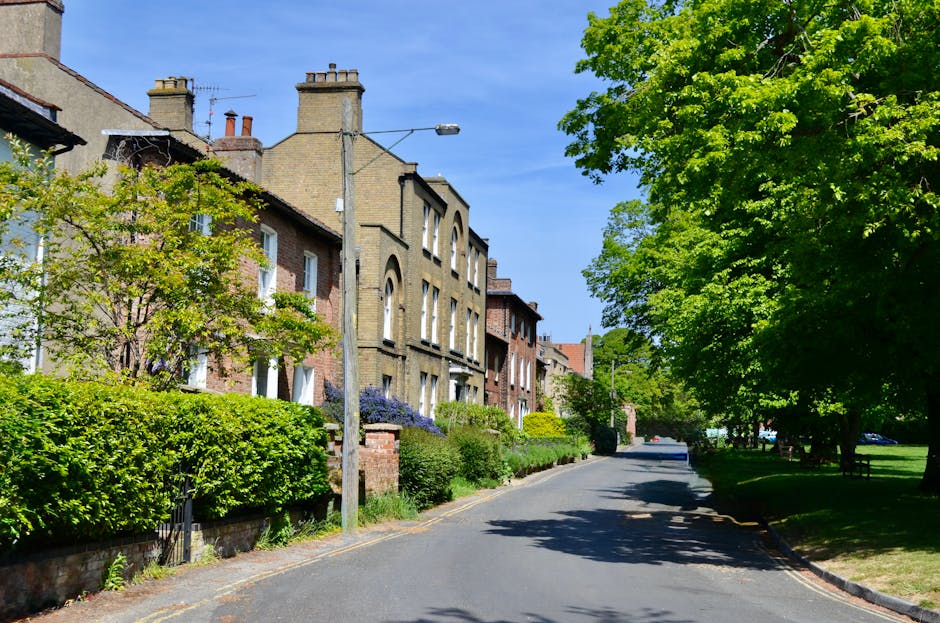
Orford Road estate garden guide by Walthamstow Village gardeners
If you live around Orford Road or manage a shared estate garden nearby, you already know the truth: small outdoor spaces can be wonderfully rewarding and quietly demanding at the same time. A tidy front plot, a sheltered courtyard, a narrow strip of lawn, or a communal green can look effortless from the street, but it takes planning to keep it healthy, welcoming, and easy to live with. This Orford Road estate garden guide by Walthamstow Village gardeners is built for exactly that kind of space. It focuses on what works in real Walthamstow gardens, not glossy ideas that fall apart after one wet week and a bit of wind.
Whether you want a low-maintenance shared garden, a smarter planting scheme, or a clearer seasonal routine, the aim here is simple: help you make better decisions and avoid the usual headaches. And yes, there are a few of those in older estate settings.
Table of Contents
- Why this guide matters for Orford Road estate gardens
- How the approach works in practice
- Key benefits and practical advantages
- Who this is for and when it makes sense
- Step-by-step guidance
- Expert tips for better results
- Common mistakes to avoid
- Tools, resources and recommendations
- Law, compliance, standards, or best practice
- Options, methods, and comparison table
- Case study or real-world example
- Practical checklist
- Conclusion
- Frequently asked questions
Why Orford Road estate garden guide by Walthamstow Village gardeners Matters
Estate gardens around Orford Road tend to face a particular mix of pressures. They may be shaded by fences or neighbouring buildings, exposed to street dust, used by several households, and expected to look good all year without becoming a full-time job. That combination matters because the wrong plant choices or maintenance routine can quickly turn a pleasant shared space into a patchy, weedy, slightly awkward area that no one quite wants to own.
In practical terms, a good estate garden guide helps you understand where time and money should go first. Should you prioritise soil improvement, boundary screening, lawn recovery, or simply a better maintenance rhythm? The answer depends on the site, but the process should always be calm and deliberate rather than reactive. A bit of strategy now saves repeated fixes later. That is especially true where residents want a garden that feels cared for without constant intervention.
There is also a social side to this. Shared or semi-shared gardens work best when they look intentional. A neat edge, clear access route, trimmed hedges, and healthy planting can quietly signal that the space is respected. If you have ever seen one neglected corner drag down an entire courtyard, you will know what I mean. One rough patch can make the whole garden feel tired.
For spaces that need a proper reset, a broader approach through gardening services in Walthamstow Village can help set the baseline before you refine the details.
How Orford Road estate garden guide by Walthamstow Village gardeners Works
The guide works best when you think of the garden in layers. First comes structure: paths, boundaries, access, drainage, and any fixed features. Then comes the living layer: soil, turf, shrubs, climbers, perennials, herbs, or containers. Finally comes the maintenance layer: mowing, pruning, weeding, watering, and seasonal tidy-ups. If one layer is neglected, the others usually suffer. Annoying, but true.
For example, a lawn will not perform well if the soil is compacted and shaded. A hedge will not provide good screening if it is cut badly once a year and left to fend for itself. A patio will never feel inviting if moss, algae, and debris are allowed to build up between uses. The guide therefore leans on practical sequencing rather than random task lists.
A typical approach might look like this:
- Assess the space and note the main problems: shade, litter, drainage, weeds, bare soil, or uneven growth.
- Decide what the garden should do: provide privacy, soften hard edges, support children, host seating, or simply stay neat.
- Choose plants and materials that suit the level of care available.
- Build a maintenance routine around the site's real conditions, not ideal conditions.
- Review the garden after one season and make small corrections, not dramatic overhauls.
That last point matters more than people expect. Good gardens evolve. They are not usually "finished" in one go, especially in London settings where shade, root competition, and weather can be a bit stubborn. In our experience, modest changes done consistently beat grand plans that never get maintained.
If the space needs a stronger visual framework, local landscaping support can help reorganise the layout without stripping away the garden's character.
Key Benefits and Practical Advantages
The value of a well-planned estate garden is not just appearance, though that certainly helps. The real benefit is that the space becomes easier to live with. That sounds simple, but simple is often what people are after.
- Less ongoing stress: a clear plan reduces random, urgent jobs.
- Better visual consistency: the garden looks cared for from the path, not just from the inside.
- Improved privacy: smart planting or screening can soften overlooking windows and busy edges.
- Safer access: tidy routes and level surfaces reduce trip hazards and muddle.
- Stronger biodiversity: mixed planting supports birds, pollinators, and beneficial insects.
- Lower long-term costs: fewer emergency fixes often means better value over time.
There is also the everyday benefit of how it feels. A well-run garden changes the tone of a morning coffee, an after-work sit-down, or a child's quick dash outside. You notice the small things: fresh-cut grass, clipped edges, bees on herbs, or the clean sound of feet on a tidy patio. Little details, yes, but they matter.
Where shared surfaces are part of the picture, patio cleaning in Walthamstow Village can make the whole space feel sharper and easier to maintain.
Who This Is For and When It Makes Sense
This guide is useful for a fairly wide range of people, but especially for anyone responsible for a garden that serves more than one purpose. If you live on Orford Road, manage a small estate area, or simply share an outdoor space with neighbours, the balance between beauty and practicality is probably familiar already.
It makes sense if you are:
- a homeowner wanting a calmer, more usable front or rear garden;
- a resident involved in shared garden upkeep;
- a landlord or property manager trying to keep the exterior presentable;
- someone preparing a garden for sale or rental presentation;
- an owner of a compact plot that needs structure more than spectacle;
- someone tired of battling weeds, overgrowth, or patchy grass every few weeks.
It is also relevant if you have inherited a garden that has "good bones" but no clear system. You know the type: an old hedge, a tired lawn, a few random containers, and a path that only looks tidy in winter because the mess is hidden by dead leaves. There is potential there, absolutely. It just needs order.
If the aim is simply to keep things neat and healthy without overthinking it, a regular garden maintenance service can take a lot of the pressure off.
Step-by-Step Guidance
Here is a practical sequence that works well for Orford Road estate gardens and similar Walthamstow Village spaces.
1. Start with a site walk-through
Look at the garden at different times of day if you can. Morning shade, afternoon sun, and damp evening corners can all behave differently. Check where water sits, where people naturally walk, and where the garden feels cramped or exposed. This first pass tells you more than a quick glance ever will.
2. Separate fixed issues from planting issues
Not every problem is horticultural. Sometimes the real issue is poor access, broken edging, loose fencing, or a surface that holds water. Fix the base before fussing over flowers. Otherwise you end up polishing the wrong thing.
3. Simplify the planting palette
One of the best ways to manage an estate garden is to repeat a few reliable plants rather than using too many different ones. Repetition creates calm and makes maintenance easier. Ground cover, evergreen structure, and a small number of seasonal accents usually work better than a busy mix of one-off plants.
For ideas on low-level planting that helps suppress weeds, see ground cover plant options.
4. Deal with weeds and unwanted growth early
In shared gardens, weeds often spread from edges, seams, and neglected corners. Remove them before they go to seed. This is not glamorous work, obviously, but it makes a huge difference to the feel of the space. If ivy has crept beyond control, do not just tug at it and hope. Use a deliberate approach such as the one outlined in the step-by-step ivy elimination guide.
5. Choose a maintenance rhythm
Most estate gardens are better served by modest, regular upkeep than by intense occasional clear-outs. Weekly mowing, fortnightly edging, seasonal pruning, and periodic soil care often produce better results than one big clean-up every few months. That pattern is easier on the garden and less tiring for everyone involved.
For lawns that need consistent attention, lawn mowing in Walthamstow Village can keep the space looking ordered without the stop-start stress.
6. Add structure with boundaries and seating
Where space allows, a small seating area, a simple run of fencing, or a decked corner can give the garden a purpose beyond "nice but unused". People are more likely to care for a space they use. A narrow courtyard suddenly feels more complete once there is somewhere to sit with a tea on a chilly March afternoon. Not revolutionary, but effective.
For a more defined outdoor layout, it can help to explore garden fencing options and, where appropriate, decking services that suit compact London plots.
Expert Tips for Better Results
A few details make a surprisingly big difference in estate gardens. These are the things that experienced gardeners tend to notice quickly.
- Match plants to the light you actually have. Shade-tolerant planting is often the difference between a healthy border and a disappointing one.
- Use evergreen structure sparingly but consistently. A few strong shapes carry the garden through winter.
- Keep edges crisp. Even a small lawn looks much better with clean borders.
- Plan for the worst months, not just the best ones. January and February test a garden more honestly than June does.
- Leave room for access. A beautiful planting scheme that blocks the path will annoy people fast.
One practical local concern is weather exposure. Some estate gardens sit in sheltered pockets; others catch strong wind or bouncing rain from surrounding buildings. If your garden gets battered, it is worth thinking about screening and wind buffering rather than just decorative planting. There is useful background in weather damage protection ideas and wind-shielding garden strategies.
Another good rule: if a feature creates more cleaning than enjoyment, rethink it. A dramatic gravel patch may look charming in a photo, but if it becomes a weed trap, that charm fades quickly. A little honesty saves grief later.
For borders that need a more forgiving planting style, the article on easy-care garden concepts is worth a look.
Common Mistakes to Avoid
Estate gardens often go wrong in very predictable ways. The good news is that these mistakes are usually fixable.
Trying to do too much at once
A full redesign sounds exciting, then reality arrives. Budget, time, access, and neighbour agreement can all slow things down. It is better to improve one area properly than to start five projects and finish none.
Ignoring the soil
If the soil is compacted, dry, or tired, plants struggle. People often blame the plant when the real issue is underfoot. Improve the ground and a lot of problems soften.
Cutting hedges badly or at the wrong time
Hedges can be brilliant in an estate garden: they provide structure, privacy, and a clean boundary. But poor timing or rough cutting leaves them sparse and unhappy. If shaping and maintenance are a weak point, review hedge trimming support and the related advice in sculpting green masterpieces through hedge trimming.
Using too many plant varieties
Too much variety can make the garden feel cluttered and harder to care for. Repetition is not boring. It is often what gives a garden confidence.
Forgetting seasonal maintenance
A garden that looks fine in spring can unravel by late summer if nobody keeps on top of weeds, deadheading, pruning, and watering. Seasonal jobs matter. They really do.
Tools, Resources and Recommendations
You do not need a van full of specialist kit to maintain a good estate garden, but the right tools make the work easier and cleaner.
- Basic hand tools: secateurs, loppers, spade, trowel, weeding tool, rake.
- Cutting tools: a reliable mower, hedge trimmer, and pruning saw where needed.
- Surface tools: a stiff broom or patio brush for paths and hard areas.
- Watering gear: watering can, hose, or irrigation set-up for dry spells.
- Protection gear: gloves, eye protection, and sturdy footwear. Nothing fancy. Just sensible.
For a broader overview of what is worth having on hand, the essential gear for every gardener article is a solid companion read. If your garden includes a high number of containers, you may also find successful container gardening tips useful for keeping things flexible and tidy.
For planting ideas that soften boundaries or fill awkward spaces, there are good options in fast-growing privacy hedges and evergreen climbers for shade. Those two topics come up a lot in Walthamstow gardens because shade and overlooked boundaries are so common.
If you want a more hands-off path, a professional service can bundle mowing, pruning, clearance, and general tidying into a routine that keeps the space from drifting. That is often the hidden win.
Law, Compliance, Standards, or Best Practice
For most Orford Road estate gardens, the main concerns are not heavy regulation but sensible compliance and good neighbourly practice. If you are changing boundaries, removing trees, or altering shared access, it is wise to check ownership and permission before starting. In communal settings, this is especially important. A quick conversation at the right time can prevent a lot of bother later.
Tree work deserves care. If a tree is large, protected, or close to a boundary, professional assessment is the safer route. It is not just about appearances; it is about avoiding damage, disputes, and unsafe cutting. The same goes for significant pruning near buildings or shared paths. No one enjoys a rushed job near a fence panel. Not fun for anyone.
Best practice in local garden care usually means:
- keeping pathways clear and safe;
- managing waste responsibly;
- avoiding overgrowth that blocks access or visibility;
- using appropriate equipment for the size of the task;
- documenting agreed work in shared spaces;
- taking extra care around walls, fences, and neighbouring gardens.
Where the project includes larger trees or awkward canopies, tree surgery in Walthamstow Village is the safer route than guesswork. And if you are deciding between keeping, reshaping, or removing a boundary feature, it is often sensible to start with a proper site assessment rather than a quick assumption.
Options, Methods, and Comparison Table
Choosing how to manage an estate garden is often a choice between speed, cost, visual impact, and long-term upkeep. The right answer depends on how the space is used.
| Method | Best for | Pros | Watch-outs |
|---|---|---|---|
| Basic tidy-only maintenance | Small gardens that are already in fair shape | Quick, affordable, keeps things presentable | Can drift into neglect if done too lightly |
| Structured maintenance plan | Shared gardens and estate spaces | Predictable, balanced, easier to manage | Needs consistency and some coordination |
| Soft landscaping refresh | Gardens with tired planting or poor layout | Improves flow, planting, and usability | Usually needs a bigger upfront effort |
| Hard landscaping upgrade | Gardens with access or surface problems | Solves practical issues, adds definition | More disruptive and may cost more |
| Low-maintenance redesign | Busy households or rental properties | Less work over time, easier to keep neat | Can feel too plain if not planned well |
In many Orford Road settings, a hybrid approach is best. Keep the bones of the garden, improve the weak spots, and reduce future maintenance where possible. That usually gives the strongest return for the least fuss.
Case Study or Real-World Example
Take a typical estate-style garden near Orford Road: a narrow shared lawn, a tired fence line, a corner with persistent weeds, and a patio that has become grey with dirt and algae. Nothing dramatic, just a space that has slowly lost confidence.
The first move is not to rip everything out. Instead, the garden is broken into zones. The patio is cleaned first so the whole area feels brighter straight away. The lawn is then cut back into shape, edges are sharpened, and the worst weeds are removed from the borders. A few evergreen shrubs or climbers are added to soften the boundary, and the fence is checked for stability. After that, the maintenance plan is simplified so the garden can stay tidy without needing heroics every weekend.
What changes most? Not just the look. The feeling. People start using the space again. A bench gets sat on. Kids wander out without anyone apologising for the mess. Someone notices the scent of cut grass instead of the smell of damp leaf litter. Small things, but they change behaviour.
This is also where mixed services can be helpful. A bit of lawn care alongside boundary work and clean hard surfaces often gives the most immediate improvement. If the layout still feels awkward after that, a considered landscaping update can finish the job without overcomplicating it.
Practical Checklist
Use this checklist before you start, or before you bring in help.
- Walk the space and note shade, drainage, and access issues.
- Decide whether the main priority is privacy, tidiness, usability, or low maintenance.
- Remove obvious weeds, litter, and dead material.
- Check lawn condition and edge definition.
- Inspect hedges, fences, and any trees for safety or overgrowth concerns.
- Clean patios, paving, or communal hard surfaces.
- Choose a simple planting theme that suits the light levels.
- Confirm who is responsible for shared tasks if the garden is communal.
- Set a seasonal maintenance routine that people can realistically follow.
- Review the garden after the first round of improvements and adjust gently.
Expert summary: the best Orford Road estate gardens are usually not the most elaborate ones. They are the ones with a clear structure, a modest plant palette, and a maintenance routine people can actually keep up with. That is the sweet spot.
Conclusion
A good estate garden in Orford Road does not need to be flashy. It needs to be coherent, resilient, and easy to look after. If you focus on structure first, then planting, then maintenance, you will get far better results than chasing quick visual fixes. And if the space feels overwhelmed, start small. Clear one area, sharpen one boundary, improve one surface. Momentum matters.
There is something quietly satisfying about a garden that feels settled. Not perfect. Just settled. The hedge sits neatly, the lawn behaves itself, the patio is clean enough for a chair and a cup of tea, and no one is muttering about the weeds again. That kind of calm is worth more than a dramatic makeover, to be fair.
If you are ready to improve a shared or private garden around Orford Road, the next sensible step is to get practical help tailored to the space, not a one-size-fits-all guess.
Get a free quote today and see how much you can save.
Frequently Asked Questions
What is the Orford Road estate garden guide by Walthamstow Village gardeners meant to help with?
It is meant to help residents and property managers make practical decisions about shared or small estate gardens, including planting, maintenance, layout, and longer-term care.
Is this guide only for communal gardens?
No. It is useful for private gardens too, especially compact or awkward spaces that need structure, low-maintenance planting, or regular upkeep.
What should I fix first in an estate garden?
Start with safety, access, and the most visible problem areas. That usually means weeds, overgrowth, damaged surfaces, poor edges, or patchy lawn areas.
How often should an estate garden be maintained?
Most gardens do better with light, regular maintenance rather than occasional major tidy-ups. Weekly or fortnightly attention often keeps the work manageable.
What if the garden is very shady?
Choose plants that tolerate shade, reduce pressure on the lawn, and think about structure through hedges, climbers, or evergreen planting instead of forcing sun-loving species.
Do I need professional help for hedge cutting or tree work?
If the hedge is large, difficult to reach, or shaping matters a lot, professional help is sensible. Tree work especially should be handled carefully, particularly near boundaries or shared areas.
Can a small garden still feel private?
Yes. Privacy can come from planting, boundary screening, trellis, hedges, or well-placed features. You do not always need a tall fence to create a calmer space.
What is the best way to reduce garden upkeep?
Use a simpler planting palette, repeat reliable plants, and keep hard surfaces clean. Low-maintenance design is usually about smart choices, not doing nothing.
How do I stop weeds from taking over shared borders?
Remove them early, improve the soil where possible, and use ground cover or denser planting to reduce bare patches where weeds like to settle.
Should I redesign the whole garden or improve it in stages?
In most cases, stages are better. You get quicker wins, lower disruption, and a chance to review what works before spending more.
What services are most useful for Orford Road estate gardens?
The most useful services are usually garden maintenance, lawn care, hedge trimming, patio cleaning, landscaping, fencing, and, where needed, tree surgery.
How do I know if my garden needs landscaping rather than simple maintenance?
If the main problems are layout, drainage, access, or tired fixed features, landscaping is probably the better route. If the space is basically sound but untidy, maintenance may be enough.